• About
  • La Micaela Farm Shop

fincafood

~ culinary and horticultural life on a Spanish farm

Category Archives: Food for One

Eggs, Ham & French Beans

11 Tuesday Dec 2012

Posted by Nevenka in Food for One, Main Courses

≈ Leave a comment

This light, fresh tasting lunch or supper dish is simplicity itself and prefect for when you are cooking for yourself alone. This morning I left the Spanish sun to visit the thickly snow covered French Alps, and brought with me the left over vegetables that I had picked for the farm shop yesterday. I am a bit weary after the long journey so want to eat something that is quick to prepare, but fresh and nourishing. I stopped off in the valley before coming up the mountain to get some basics in, butter, eggs, ham and bread. 2012-12-09 19.25.47

The beans from the veg garden are young and tender, so I fry them in olive oil for a few minutes, then I add some ham cut into small pieces. Continue frying for a few more minutes until the beans are cooked but still have some crunch. Turn the heat low and then add a couple of free range eggs that you have beaten a little to mix the whites and yolks, and seasoned. Stir the eggs around the pan and only let cook to a very soft set. Turn onto a warm plate and enjoy your Revuelto de Judias Verdes with crunchy fresh bread.2012-12-09 19.28.29

Revuelto translates as  –  turned over – referring of course to the turning over of the eggs in the pan. The soft scrambled eggs are regularly found on menus in Spain with combinations of vegetables and either ham or prawns. Asparagus and Prawns, Broad Beans or Sweet Peas and Ham, Spring Garlic and Ham, Mushrooms, or Morcilla the Spanish black pudding. In the Basque Country it is made with slow stewed Red Peppers and called Piperrada. Or try your own combinations………

Share this:

  • Share on X (Opens in new window) X
  • Share on Facebook (Opens in new window) Facebook
  • Share on WhatsApp (Opens in new window) WhatsApp
  • Email a link to a friend (Opens in new window) Email
Like Loading...

Roast Rabbit & Summer Vegetables

13 Tuesday Nov 2012

Posted by Nevenka in Food for One, Main Courses

≈ Leave a comment

I have just returned from a stay in the UK to be greeted by the same cool and wet weather that I thought I had left behind there. With all the rain the vegetable garden is bursting with produce – and plenty of weeds – but is too wet to get into right now,  and of course it is Sunday, so no shopping possiblities. Thankfully there are some squashes, onions and potatoes in the cold store, rabbit in the freezer and a couple of now slightly wrinkly red peppers in the fridge from before I went away. I decide to prepare a favourite roast for lunch, Rabbit with Summer Vegetables, this dish having the extra benefit of needing the wood burning oven, which will nicely warm the kitchen.

Normally for this dish I buy a whole rabbit and chop it into small portions leaving the bones in, but on this occasion I only have a boned saddle available, so that will have to do. Chicken can be substituted for the rabbit if you prefer. The cooking times will be the same, but use tarragon or sage in place of the thyme.rabbit_roast_summer_veg

For the vegetables I always use potatoes and garlic, but then the rest vary depending on what is available in the garden or larder. Red peppers are great for colour and flavour, so those if I can, then any three or four others from the list below.

ROAST RABBIT WITH SUMMER VEGETABLES – For 4

1 Rabbit

400 grams potatoes

2 heads of garlic

several sprigs of fresh thyme

olive oil

salt and freshly ground black pepper

selection of vegetables –

2 large red peppers cut into quarters or sixths

2 medium courgettes cut into big chunks

2 medium aubergines cut into chunks

4-6 sweet onions peeled and halved

4 large carrots peeled and cut into chunks

butternut squash and or pumpkin peeled and cut into chunks

Put the oven on to warm up to 190 C.

Once the oven is up to temperature, put in a large roasting tray containing a couple of tablespoons of olive oil.

After five minutes or so when this is hot add to it the potatoes which are in evenly sized chunks. Sprinkle with salt and roast for ten minutes.

Season the rabbit with salt, freshly ground black pepper and fresh thyme. Break the garlic into cloves but don’t peel them. Cut the cloves accross their fattest bit only cutting half way through the clove. Leaving the skin on protects the garlic from burning while it is roasting, while the cut accross the middle enables the garlic to swell without bursting out of its skin.

Add the rabbit and garlic to the potatoes and cook for another ten minutes.

After this time add the rest of the vegetables to the pan. They need to be in one layer to cook properly, so if they don’t fit in one tray use two, dividing the meat, garlic and potatoes between the two. If the vegetables are too crowded they tend to steam rather than roast and end up soggy. Drizzle over more olive oil and seasoning.

Roast for another half an hour or until the vegetables are tender and browned at the edges.

If you are wondering why I have included the photo at the top of this post, look carefully at the wire and you will see a flock of starlings neatly and evenly sitting all the way along it. It is almost as though they have measured the distance between each other.

Share this:

  • Share on X (Opens in new window) X
  • Share on Facebook (Opens in new window) Facebook
  • Share on WhatsApp (Opens in new window) WhatsApp
  • Email a link to a friend (Opens in new window) Email
Like Loading...

An Autumn Salad

12 Friday Oct 2012

Posted by Nevenka in Food for One, Main Courses

≈ 1 Comment

rainbow_saintYesterday I looked really hard for the pot of gold as I could clearly see the end of this rainbow in my neighbours orange grove, but alas, it eluded me. I didn’t let on to him how close he had been to being rich beyond his wildest dreams!

The rain was extremely welcome as I can’t order any irrigation water at the moment. In the recent storms and floods 14 kilometers of pipework that deliver water to all of us in the cooperative were washed away.

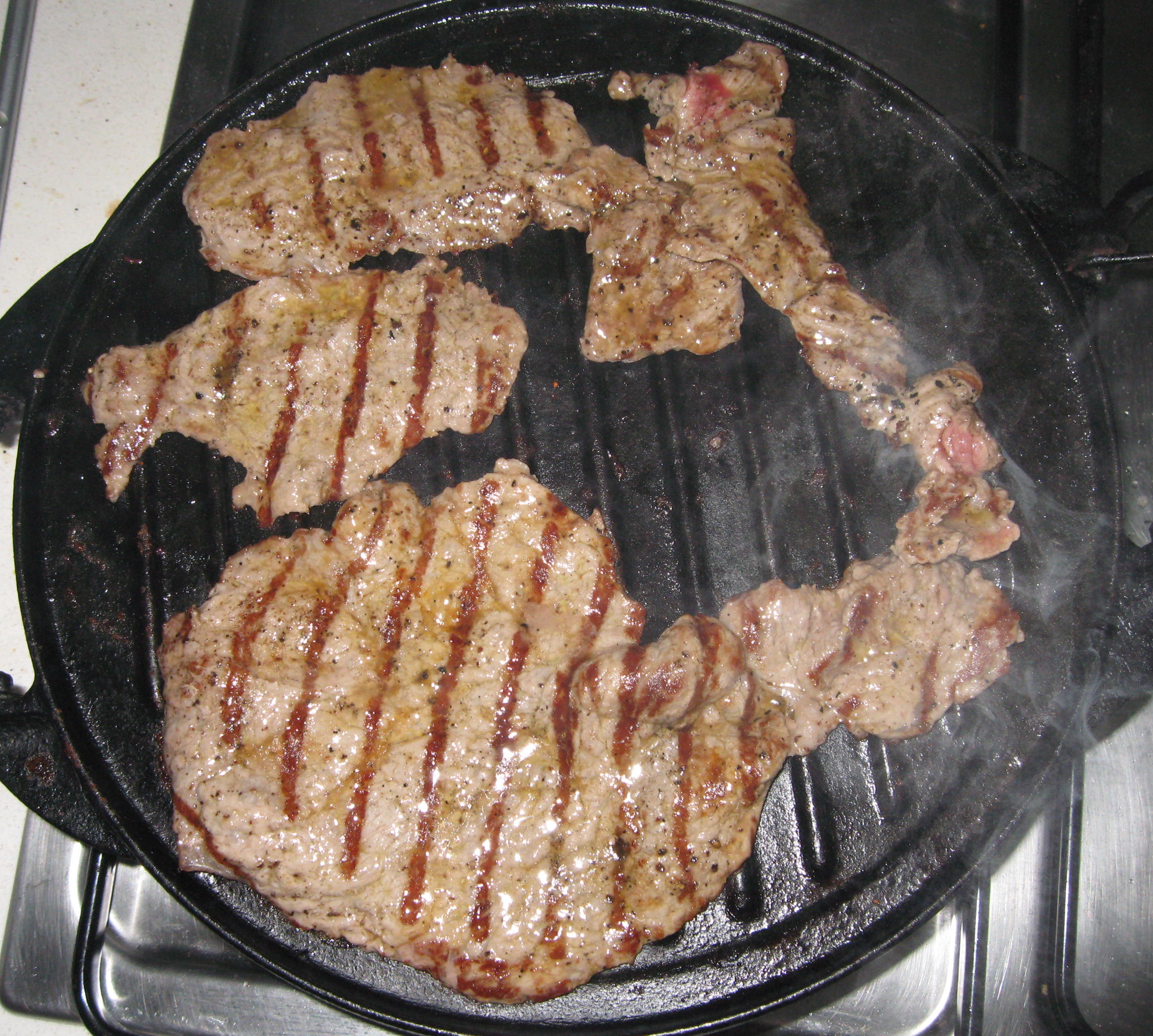
All this rain interspersed with warm sunny days has meant that the salads that can’t grow in the blistering heat of the summer here are green and tender and tasty. The asparagus is throwing up its autumn shoots and the herb bed hasn’t looked so healthy for quite a while. Here is a salad that glorifies these autumn offerings. grilled_beef_salad_mint_dressing

Grilled Beef and Goat Cheese Salad with Mint and Balsamic Dressing

Per person –

100 grams tender beef sliced very thinly

50 grams cheese – I used a fresh Goat cheese that I sell in the farm shop, but ricotta or mozarella work for this salad

6-8 spears of asparagus

Mixed salad leaves – mine were green and red lettuce, mizuna, pak choi, mustard greens, chives, basil and fennel fronds.

A handful of fresh mint

1 tablespoon balsamic vinegar

2 tablespoon olive oil

1 teaspoon lemon juice

salt and freshly ground black pepper

Spread the beef out onto a board and season with the salt and pepper. If you are not sure of its tenderness, then give it some hits with a meat tenderising mallet.

Heat a hotplate or heavy based griddle pan.

Lightly oil the asparagus and put to cook on the griddle. Turn from time to time as it is cooking.

Wash the salad and arrange on a plate.

Cut up the cheese and arrange on the salad.

Make the dressing. Wash and roughly chop the mint, put in a bowl with balsamic vinegar, olive oil and lemon juice and mix thoroughly.

When the asparagus is cooked al dente remove from the griddle and arrange on the salad.

Cook the beef on the griddle. This should only take 2-3 minutes each side. Remove to a board and cut into bite sized slices. Arrange on the salad.

Spoon the dressing onto the salad. Enjoy.

Share this:

  • Share on X (Opens in new window) X
  • Share on Facebook (Opens in new window) Facebook
  • Share on WhatsApp (Opens in new window) WhatsApp
  • Email a link to a friend (Opens in new window) Email
Like Loading...

Fried Liver with Tomato Pilav

17 Monday Sep 2012

Posted by Nevenka in Food for One, Main Courses

≈ Leave a comment

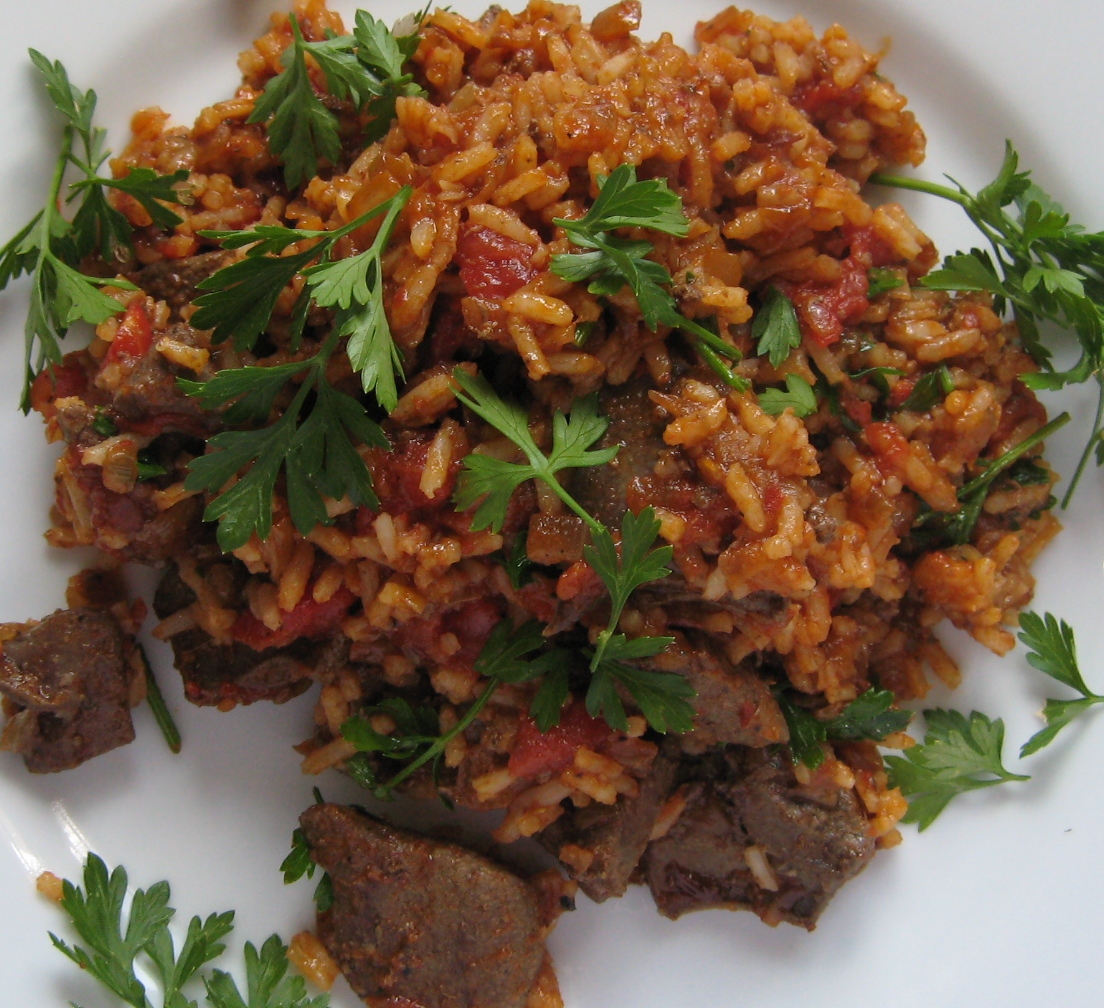
liver_with_tomato_pilav

Throughout my teenage years I cooked this dish for the whole family almost every Saturday lunchtime. It was taught to me by my father who is from Sarajevo the capital of Bosnia of the former Jugoslavia. Jugoslavia was for over five hundred years part of the Ottoman empire, and it was not until my sister and I were holidaying in Turkey on a Gulet with some friends that we realise that it is a Turkish dish. Our cook on the boat – Hali – made it for us all one lunch time and our friends loved it and wondered how it was made, to which my sister and I announced in unison that we could make it with our eyes closed!

Quite a lot of English people think that they don’t like liver. And if their only experience of it is the stewed beef liver that was served to us at school, then I can fully understand them having a prejudice against it. But please give liver another chance. Think more those gorgeous liver pates and less the shoe leather of school dinners. Pork liver for me has the best texture and the sweetest flavour of all the livers, and this is what my family use for this dish although the with Turkey being a muslim country, lambs liver is used there.

For 4 people

1 large or two medium onions – finely chopped

1 red pepper – cut into strips – optional

500 grams liver cut into bite sized pieces

Salt and freshly ground black pepper

Olive oil for frying

200 grams long grain rice

250 grams peeled plum tomatoes – either freshly peeled or tinned

Fresh flat leaved parsley – roughly chopped

Firstly put the rice on to boil. Use your usual method but you want the rice slightly al dente.

Heat the oil in a large frying pan and add the onions and peppers if you are using them. Fry over a moderate heat until the onions are lightly browned.

Season the liver pieces with salt and a generous amount of freshly ground black pepper. Add to the pan with the onions and cook stirring from time to time until the liver is just cooked. This will take about ten minutes. Do not cover. If the pan is covered the liver will steam and go tough.

To see if the liver is cooked enough, take out a piece and cut into it. It should be pink inside. If it is red inside it is not cooked enough and if it is brown you have gone too far.

Remove the liver from the pan leaving behind the onions, pepper if used and the juices. Add the tomatoes to the remains of the pan and stir to mix. Cook over a higher heat until the tomatoes have deepened in colour and cooked.

Drain the rice and add to the tomatoes. Stir well to mix together and cook for a couple of minutes for the flavour of the tomatoes to penetrate the rice.

Add the liver and mix again. Cook a minute or two for the liver to rewarm. Stir in the parsley. Serve with a green salad.

Share this:

  • Share on X (Opens in new window) X
  • Share on Facebook (Opens in new window) Facebook
  • Share on WhatsApp (Opens in new window) WhatsApp
  • Email a link to a friend (Opens in new window) Email
Like Loading...

Golden Risotto

14 Friday Sep 2012

Posted by Nevenka in Food for One, Main Courses, Starters, Vegetable Dishes

≈ Leave a comment

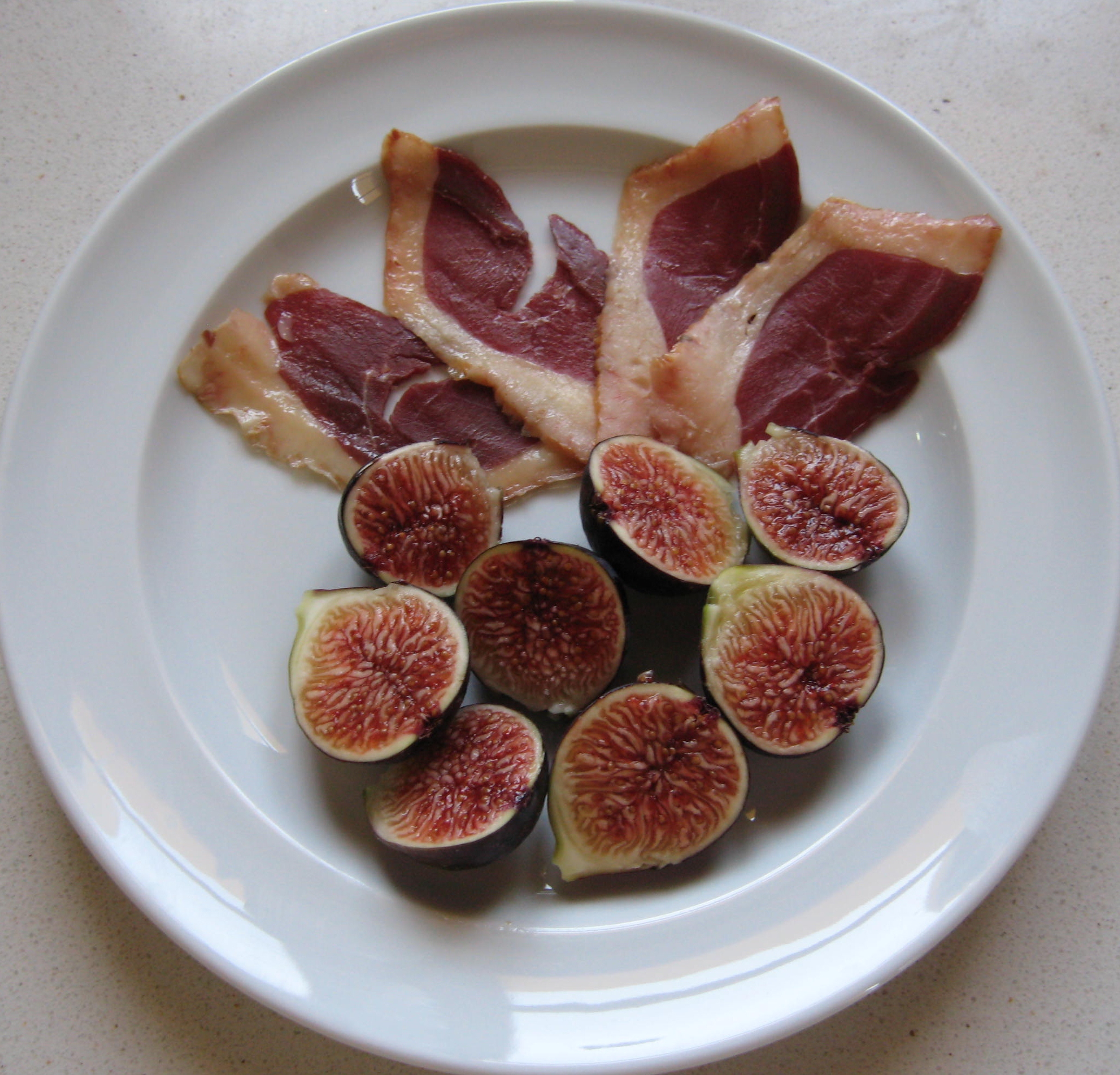
Another busy day, and so another quick lunch, but that does not mean that lunch has to be dull and unexciting. The self sown fig tree is still giving four or five sweet little irresistible black figs every day so I shall have those with some smoked duck breast while a risotto is cooking.

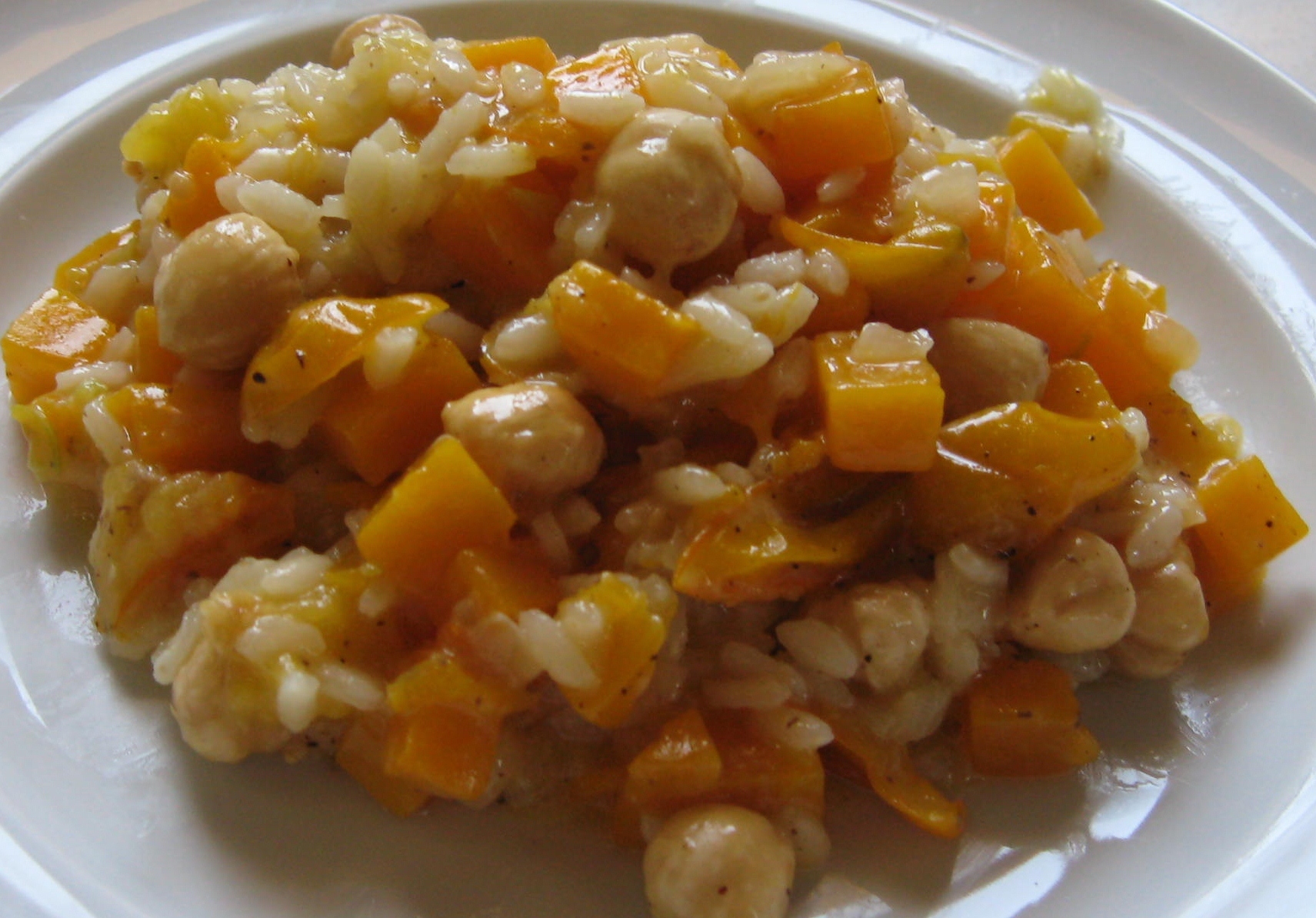
I thought that I was going to make a courgette risotto, but when I went to pick a couple I was diverted by the sight of tiny yellow plum tomatoes and thought that combined with some pumpkin they could make a cheery golden risotto. The hazel nuts added at the end give a crunch that contrasts nicely with the soft risotto.

Per person

1 small onion – finely chopped

120 grams pumpkin – cut into small cubes

120 grams yellow plum tomatoes – halved

40 grams risotto rice

Chicken stock

Oil for frying or half oil and half butter if you prefer the flavour.

Salt and freshly ground black pepper

30 grams grated parmesan cheese

Roasted hazel nuts – 30 grams golden risotto

Heat a tablespoon of olive oil in a shallow pan and add the onions. Fry gently until translucent.

Add the pumpkin cubes and stir to mix in. Fry for five minutes stirring from time to time.

Add the rice and stir to coat in the oil and pumpkin juices. Cook until the rice looks slightly translucent.

Add the tomatoes and some stock and stir. Season with salt and pepper. Cover and continue cooking on a gentle heat, adding more stock as necessary until the rice is cooked.

Stir in most of the cheese reserving a small amount to sprinkle on the risotto when you serve it.

Add the hazel nuts and cook long enough to warm them through.

Serve sprinkled with the remaining cheese.

Share this:

  • Share on X (Opens in new window) X
  • Share on Facebook (Opens in new window) Facebook
  • Share on WhatsApp (Opens in new window) WhatsApp
  • Email a link to a friend (Opens in new window) Email
Like Loading...

Tortilla de Acelgas – Chard Omlette

13 Thursday Sep 2012

Posted by Nevenka in Food for One, Main Courses, Starters

≈ Leave a comment

There is a lot of work to do on the farm at the moment as the season is changing. We have had the early September rain that signals the end of the summer. The Christmas potatoes needed to be already in the ground ready and waiting before the rain comes. They are just starting to show through now.

The greenhouse contains hundreds of little pots of winter vegetable seedlings that have been hiding from the heat and will need to be planted out quite soon. There are Mange Toute Peas, Purple Sprouting Broccoli, Cima Di Rapa, a huge selection of salad greens,chicories and endives, Artichokes,Florence Fennel,Beetroot……..chillies
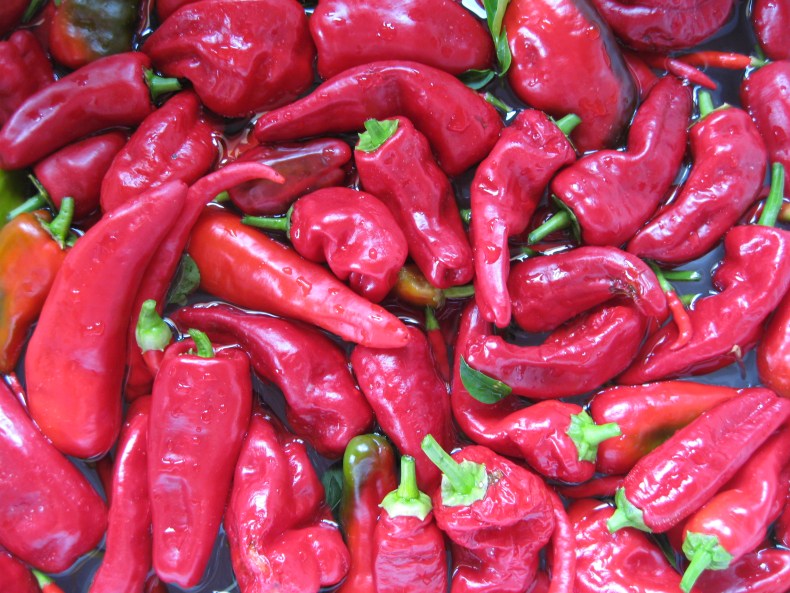
Then there are the crops that are ready and need picking and/or processing. I have been making Preserved Tomatoes in White Wine and Chilli Jam this week which is one of the most popular products in the farm shop. Fifty Jars of the Chilli Jam and fifteen of the tomatoes, plus ten of Sun Dried Tomato Pesto which is one of my favourite sauces for pasta, or spread on toast and topped with mild cheese for breakfast.

Picking and curing the olives will be next week, closely followed by the quince which are looking swelled and golden yellow since the rain. I don’t have enough olives to send for oil, so they will all be for eating and the quince will be made into jelly and a mustard conserve, which again is popular in the shop. There are only two jars left from last years crop, which looks like perfect planning.

Because of all this activity, quick nutritious lunches are needed that centre on the vegetables from the farm.

The spanish tortilla is a thick savoury cake that is golden brown on the outside and soft and eggy in the centre. Although the best know version is made from just potatoes, any vegetable of solid texture is used in combination with small amounts of meat or fish to make sucessful tortillas. Peas, broad beans with ham, asparagus and prawns, or green garlics and prawns, spinach and bacon, chickpeas, peppers, onions or any combination thereof. There is even one made from dates and ham which I had to try when I saw it on a menu. I have to say that it was not the most successful food combination that I have tasted.

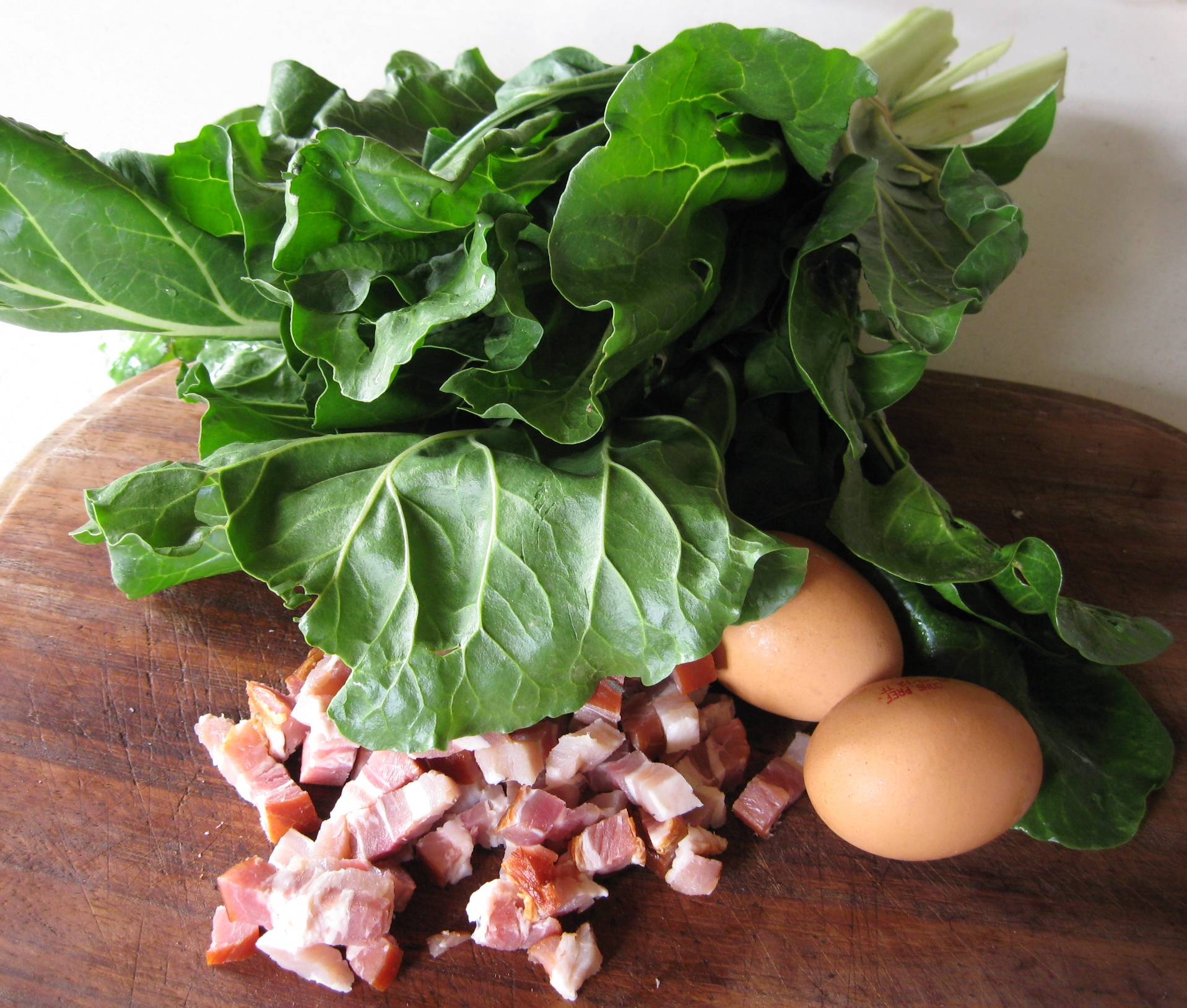
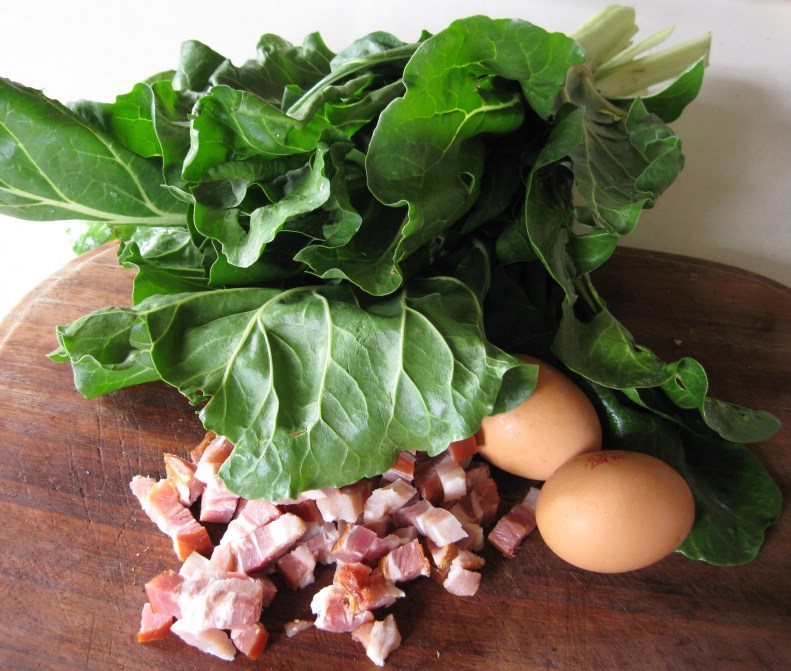
Today I have some lovely dark green chard and some smoked streaky bacon. Spinach or green cabbage can be used for this in place of the chard. The following recipe is for one person.chard_tortilla_ingredients
Warm some olive oil in a large frying pan or wok.

Finely chop a small onion and add to the pan. Cook for a couple of minutes.

Cut the bacon into lardons and add to the pan. Cook for five to ten minutes until lightly browned.

Wash the chard and cut the green leaves only into strips. Add to the bacon and toss. Cover and cook for two to three minutes, then toss again. Keep doing this until the volume of the chard is much reduced and it tastes cooked.

Break two eggs into a bowl and beat enough to mix the yolks with the whites. Add the chard and bacon to the eggs and mix thoroughly. Check if it needs salt. My bacon was quite salty so I didn’t need to add more. Season with freshly ground black pepper.

When you come to cook the tortilla the size of the pan used is very important. It wants to be of a size small enough that when the egg mix is poured in you get quite a thick cake.

Put a good amount of olive oil in the frying pan and heat. When the oil is hot slowly add the egg mix. Cover and let it cook slowly for a few minutes.

With a spatula gently tease the tortilla away from the pan around its perimeter to plump up the edge. Cook a couple more minutes and then check if it is ready to be turned over. The tortilla wants to be just solid enough to hold together as it is turned over onto a plate and then slid back into the pan. If it seems to watery still, cook it a bit longer. I gently tease the spatula under the tortilla all the way round to make sure that it is not stuck in parts. If you shake the pan and the tortilla moves then that is good.

Take a plate that is a good bit larger than the pan and away from the heat place it over the pan and hold it there. Flip the pan over so that the tortilla is on the plate. Put the pan back on the heat and add some more olive oil to it. Give it a couple of minutes to heat up before gently sliding the tortilla sideways into the pan.

With the spatula tease the sides of the tortilla in as before. This side of the tortilla will not need as much cooking as the first side. Lift up a side of it with the spatula to see if it is golden underneath.

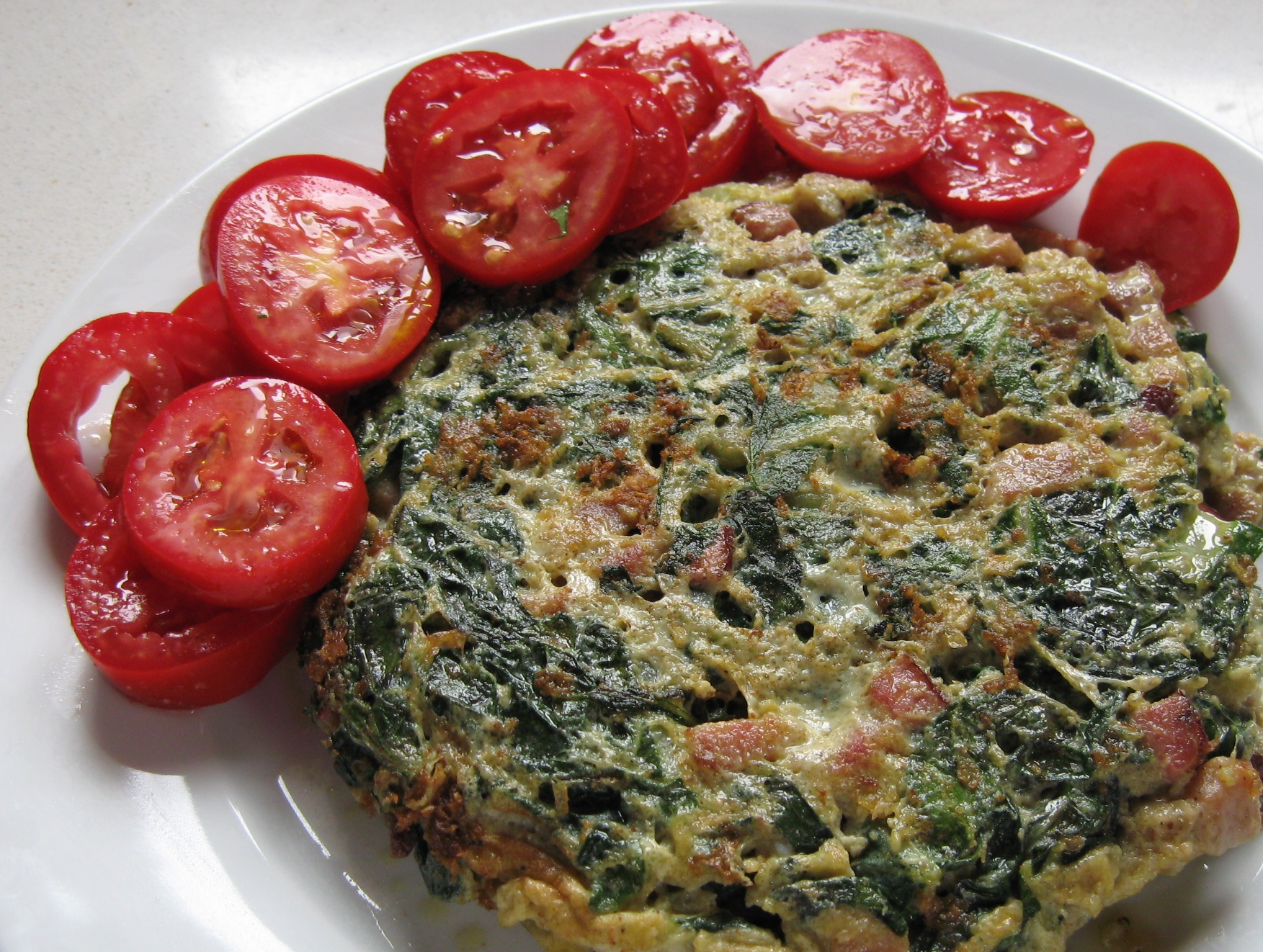
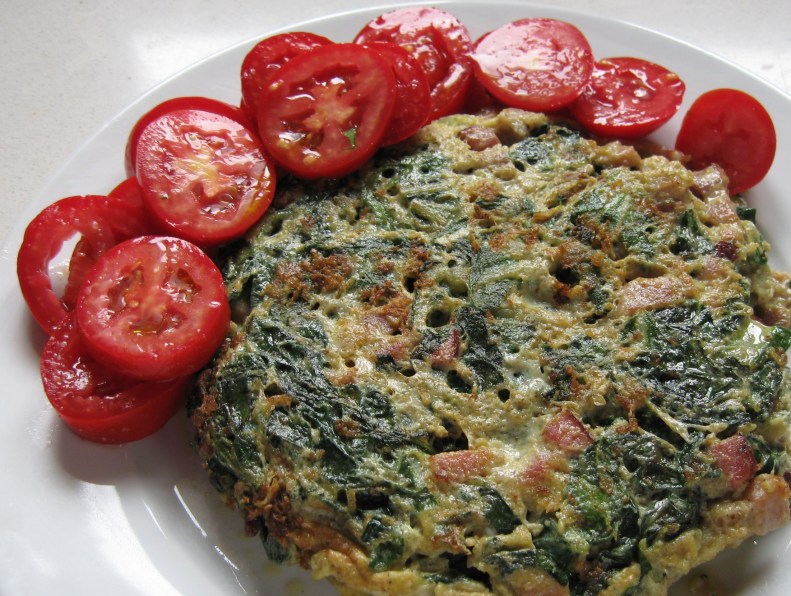
Invert onto a plate as before and enjoy. I had mine with a simple salad of tomatoes annointed with good olive oil and salt.chard_omlette-tortilla_de_acelgas
Share this:

  • Share on X (Opens in new window) X
  • Share on Facebook (Opens in new window) Facebook
  • Share on WhatsApp (Opens in new window) WhatsApp
  • Email a link to a friend (Opens in new window) Email
Like Loading...

Sardines with Pine Nut and Raisin Stuffing

01 Saturday Sep 2012

Posted by Nevenka in Fish, Food for One, Main Courses, Starters

≈ Leave a comment

sardines-stuffed-and-bakedI don’t remember now where I came across this recipe for boned sardines that are wrapped around a stuffing of toasted pine nuts, raisins and onions and then moistened with orange and lemon juice before being baked in the oven, but it has been a favourite way of preparing these fish in my kitchen for many years. The combination of the oily fish, with the acid of the citrus and the sweetness of the onions and raisins is very successful – and so summery.

This recipe is for when the sardines are medium to large in size and need to be  gutted and deboned. I use two or three per person as a starter and four or five if it is to be a light main course.

12 medium sardines

1 medium onion – very finely chopped

Olive oil for frying the onions

25 gms pine nuts – dry roasted in a thick based shallow pan

25 gms raisins or currants

chopped fresh flat leaved parsley

fresh bay leaves

100 ml freshly squeezed orange juice

100 ml freshly squeezed lemon juice

Salt and black pepper

Start by descaling the sardines and then cut off their heads, gut them and remove the backbones. Open them out flat.

Prepare the stuffing.

Fry the onions until lightly browned. Add the pine nuts, raisins and parsley and mix well.

Take a small amount of the stuffing and place it at the wide end of the opened out sardine. Roll the fish around the stuffing, starting at the wide end and rolling towards the tail.

Put the fish into a shallow oven proof dish side by side with the tails sticking up. It can be pretty to use individual dishes per person if you have them. I use ramekins that will take two to three fish each if I am making this as a starter, or shallow bowls with four or five fish in each as a main course.

Once you have arranged all the fish, put a bay leaf in between each fish.

For cooking liquid, mix the lemon and orange juice. Pour over the fish to cover half a centimetre up from the base of the dish.

Bake at 180 degrees centigrade for 20 minutes.

Serve with a side salad and fresh bread.

An alternative stuffing is chopped capers, olives and chillies, with a white wine and lemon juice mix for the cooking liquid.

Share this:

  • Share on X (Opens in new window) X
  • Share on Facebook (Opens in new window) Facebook
  • Share on WhatsApp (Opens in new window) WhatsApp
  • Email a link to a friend (Opens in new window) Email
Like Loading...

Boquerones en Vinagre

25 Saturday Aug 2012

Posted by Nevenka in Fish, Food for One, Snacks and Tapas, Starters

≈ Leave a comment

boquerones_smelts……..or Smelts in Vinegar.  The word Smelt does not excite the imaginary palate in quite the same way as the word Boqueron. I assume its origin is from the word boca which translates as mouth and that Boqueron means a mouthful. And a delightful mouthful it is, whether dusted with flour and fried whole or marinated in vinegar as in this recipe which I was describing to my friend Andy while in France last week, and so it brought it to mind to share with you too.

This is regularly served as a tapa in Spanish bars. A couple of the fish will be presented atop a slice of fresh stick bread and sometimes with a good dollop of Allioli between the bread and the fish.

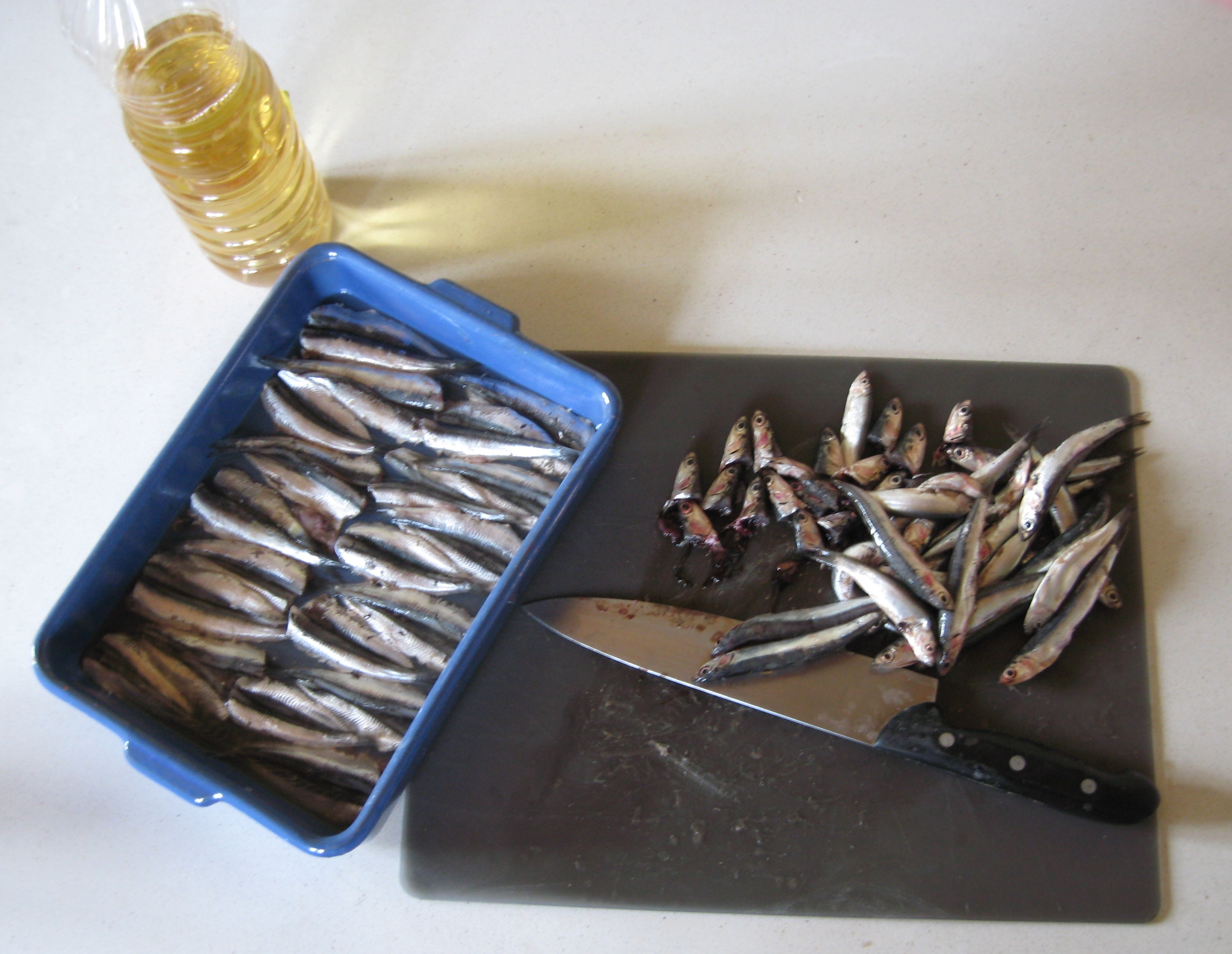
Cut the heads off your fresh smelts and open them out flat by opening along the belly and moving the flesh away from the bones on one side. There is no need at this point to remove the bones or the guts.

In a shallow dish that will take all the fish in one layer, pour enough white wine vinegar to cover the bottom of the dish. Lay the fish with the flesh side down into the vinegar.

Continue with all the fish putting them neatly side by side in the vinegar and then add more vinegar to just cover the layer of fish.

Put in the fridge for an hour so that the vinegar can ‘cook’ the fish.

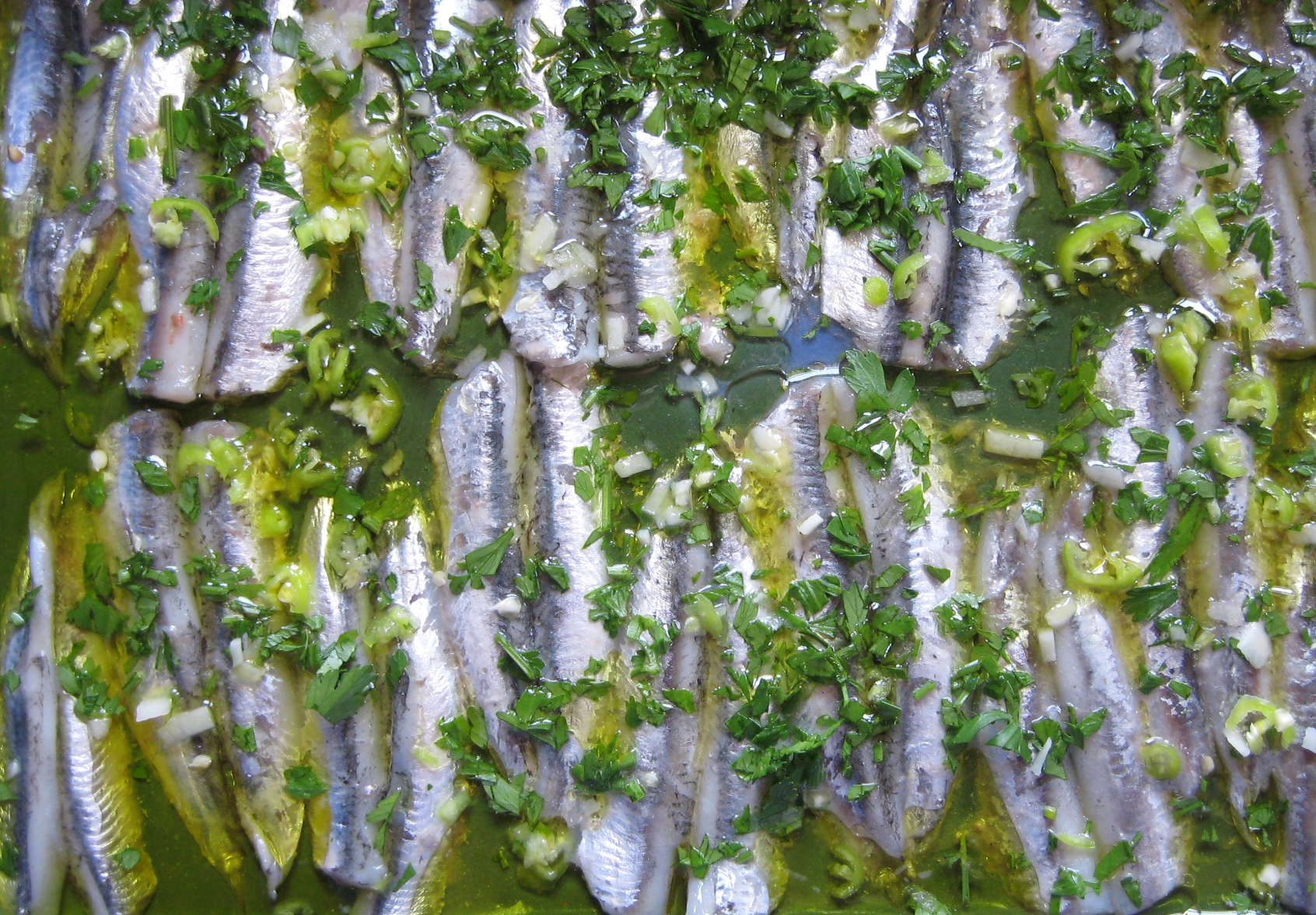
Remove the fish one by one from the vinegar and remove the bones and guts. Lay in a clean dish.boquerones_en_vinagre

When you have done them all, pour over a generous amount of extra virgen olive oil and season the dish with finely chopped garlic and parsley. I added some chopped fresh green chillis as well, which are not traditional, but I like a bit of spice with my fish. Having a lime farm, and consequently having a lime or two lurking about, I have  used lime juice in place of the vinegar in this recipe which works very well and makes it more of a Ceviche, especially if you substitute fresh coriander for the parsley. Lemon juice should work too, although I haven’t tried it.

Put back in the fridge for half an hour or so for the flavours to develop and then serve with fresh bread.

Share this:

  • Share on X (Opens in new window) X
  • Share on Facebook (Opens in new window) Facebook
  • Share on WhatsApp (Opens in new window) WhatsApp
  • Email a link to a friend (Opens in new window) Email
Like Loading...

Chicken with Garlic and White Wine

16 Thursday Aug 2012

Posted by Nevenka in Food for One, Main Courses

≈ Leave a comment

chicken_braised_with_garlic_and_white_wineThis is an everyday dish that is full of flavour and has a sophistication that belies its simplicity. And its just as easy to make for one or eight. Although the sauce looks creamy, it doesn’t contain cream and is not brimming over with calories.

A simple dish like this only needs simple accompaniment – plain boiled potatoes or pasta. If you like you can take the flesh off the bones of the chicken and reheat it with the sauce to go with pasta. A fresh crisp green salad on the side would complete the meal.

Per person

1 leg of chicken

2 cloves of garlic

white wine

olive oil or butter

salt and pepper

In a shallow pan that has a lid, heat a small amount of either oil or butter.

Season the chicken with salt and pepper and fry until lightly browned on all sides.

Peel and slice the garlic and add to the pan with the chicken. Continue frying for a few more minutes to lightly brown the garlic.

Add enough white wine to come half way up the chicken. Turn the heat down, cover and simmer for 40 minutes turning the chicken every 10 minutes or so.

After this time the sauce should have reduced, thickened and become creamy looking. If it still looks too liquid, continue cooking with the lid off until it thickens.

Check the seasoning and serve. As simple as that!

You can of course vary the flavourings. Any type of mushroom can be added at the same time as the garlic. Fresh chopped tarragon added half way through the cooking turns it into Tarragon Chicken. For a more robust dish, fry some lardons of smoked bacon with the initial frying of the chicken and then continue with the rest of the recipe.

Share this:

  • Share on X (Opens in new window) X
  • Share on Facebook (Opens in new window) Facebook
  • Share on WhatsApp (Opens in new window) WhatsApp
  • Email a link to a friend (Opens in new window) Email
Like Loading...

Ensalada Murciana

09 Thursday Aug 2012

Posted by Nevenka in Food for One, Snacks and Tapas, Vegetable Dishes

≈ Leave a comment

This is one of those wonderfully successful recipes that have been created by a problem. In the hot summers of southern Spain, the skins of vegetable fruits become very tough and unpalatable, so skinning them for salads is essential.  So a salad was created that consisted of skinned tomatoes and red peppers, garlic, olive oil, fresh oregano and salt. The the sum of the parts becoming greater than the individual items.ensalada_murciana

The ideal is to char the skin of your vegetables over an open fire or barbeque so that you get a subtle smokey flavour to the salad. It is just the thing to do on that barbeque fire that is now at its peak, now that you have finished cooking the meal. But to do that requires planning ahead and having the tomatoes and peppers already in the house.

Life is not always ideal so in the event that you don’t have a fire available, then  the tomatoes and peppers can be held over a gas flame turning them slowly until the skins blacken all over. The skin on the tomatoes will split when cooked enough to peel. The red peppers need to be really quite black before they will peel easily. It is almost impossible to have them too black. Put the peppers to cool in a covered plastic container to help retain the moisture in the fruit.skinning_tomatoes

Peel the vegetables as soon as they are cool enough to handle retaining any juice that comes out of the peppers.

Cut into bite sized pieces and put in a dish with the pepper juice.

Very finely chop a clove of garlic and add to the salad.

Season with salt, a generous amount of extra virgin olive oil and plenty of chopped fresh oregano.

Leave – not in the fridge – for about an hour for the flavours to meld before serving.

Share this:

  • Share on X (Opens in new window) X
  • Share on Facebook (Opens in new window) Facebook
  • Share on WhatsApp (Opens in new window) WhatsApp
  • Email a link to a friend (Opens in new window) Email
Like Loading...
← Older posts
Newer posts →

Blog at WordPress.com.

Privacy & Cookies: This site uses cookies. By continuing to use this website, you agree to their use.
To find out more, including how to control cookies, see here: Cookie Policy
  • Subscribe Subscribed
    • fincafood
    • Join 103 other subscribers
    • Already have a WordPress.com account? Log in now.
    • fincafood
    • Subscribe Subscribed
    • Sign up
    • Log in
    • Report this content
    • View site in Reader
    • Manage subscriptions
    • Collapse this bar
 

Loading Comments...
 

    %d